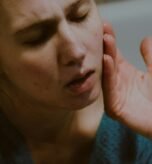


Do you wake up with a tight jaw, sensitive teeth or a headache? Many people put this down to tiredness or a bad pillow, but these signs are often linked to teeth grinding and clenching. Known medically as bruxism, this is the involuntary clenching or rubbing together of the teeth.
Bruxism often happens during sleep without the person noticing; in some people it occurs during the day, especially in stressful moments. It does not affect everyone in the same way and its severity varies from person to person. In this article we look at the symptoms, possible causes and everyday solutions in plain language.
What Is Teeth Grinding and Clenching?
Bruxism is the clenching or grinding of teeth as the chewing muscles contract without conscious control. Sleep bruxism can occur throughout the night, while awake bruxism shows up as clenching the teeth during the day without realising it. Most people do not notice it themselves; sometimes a partner or family member points it out by saying “you grind your teeth at night”.
Bruxism is rarely considered on its own; it is usually assessed together with other factors. That is why it is important to look at the symptoms as a whole.
Most Common Symptoms
Although symptoms vary from person to person, some signs are quite common:
- Jaw tightness, fatigue or pain on waking in the morning
- Sensitive teeth, a reaction to hot and cold foods
- Wear, shortening or flattening of the tooth edges
- A headache feeling in the temples or around the ears
- Tooth marks on the inside of the cheeks, scalloped edges on the tongue
- Clicking in the jaw joint or difficulty opening and closing the mouth
- Tension in the facial muscles and a feeling that they cannot relax
Some of these signs can also have other causes. A dental examination is therefore needed for an accurate assessment.
Causes and Risk Factors
The cause of bruxism cannot always be traced to a single factor. Research suggests that factors such as stress, sleep patterns, certain medications, genetic predisposition and the way the teeth bite together may play a role. It is reported to be seen more often in people with a busy daily pace, anxiety and sleep problems.
Points to Keep in Mind
Habits such as smoking and excessive caffeine and alcohol consumption are also thought to influence the picture. However, these factors differ from person to person; it would not be right to reduce it to a single cause.
Possible Effects on Teeth and Jaw
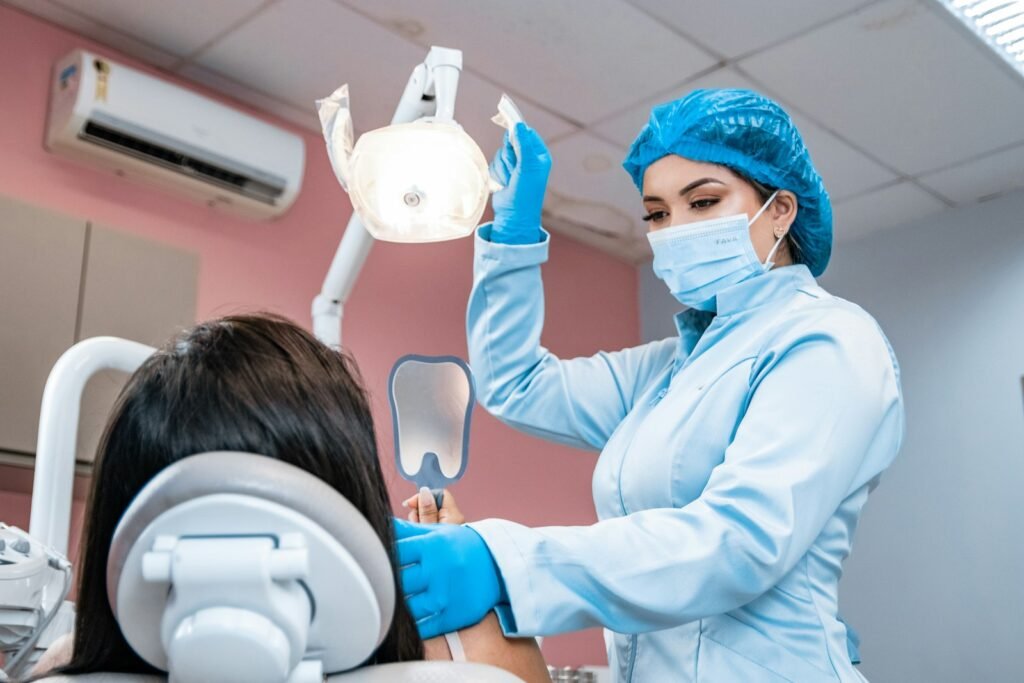
Long-standing teeth grinding and clenching can lead to wear of the tooth enamel, cracks in the teeth and sensitivity. In some people the lifespan of fillings or crowns may be shortened. Complaints such as jaw joint pain and limited mouth opening can also occur, although this does not happen in everyone in the same way.
When wear on the teeth progresses, aesthetic and functional concerns may arise. In such cases, options such as smile design can be discussed after the dentist’s assessment. Still, addressing the underlying clenching habit first is usually the healthier approach.
Everyday Solutions You Can Try
Both daily habits and support from your dentist play a role in managing bruxism. The following steps can help many people:
- Awareness: When you notice you are clenching during the day, relax your jaw, bring your tongue close to the roof of your mouth and let your lips touch lightly.
- Stress management: Breathing exercises, a light walk or relaxation techniques can help reduce muscle tension.
- Sleep routine: Regular sleep hours and a comfortable sleep environment may have a positive effect on night-time clenching.
- Night guard: For people the dentist considers suitable, a custom-made night guard can help protect the teeth. A dentist’s assessment is recommended over ready-made products bought from a pharmacy.
- Physiotherapy and exercises: Exercises aimed at relaxing the jaw muscles can benefit some people.
Habits such as chewing hard foods on one side only, or biting on objects like pens or fingernails, can also tire the jaw muscles. Cutting back on these behaviours can be a small but effective step.
What Does the Dentist Do?
During the examination, the wear on the teeth, the bite relationship and the jaw joint are assessed. If needed, gum treatment or protective applications may be considered for tooth sensitivity. Since bruxism can also occur in children, regular check-ups within paediatric dentistry are important.
In some cases the dentist may refer you to another specialist for further assessment of sleep quality or the jaw joint. The treatment plan varies from person to person; the final decision is made after the examination.

When Should You See a Dentist Without Delay?
In situations such as severe jaw pain, marked difficulty opening the mouth, a broken tooth or sudden sensitivity, or swelling in the face, it is important to see a dentist without waiting. Because these signs can point to different problems, early assessment is always safer.
Frequently Asked Questions
Does teeth grinding go away on its own?
In some people it may ease for a period, but this cannot be guaranteed. If your complaints keep coming back or you notice wear on your teeth, it is advisable to consult a dentist.
Is a night guard suitable for everyone?
A night guard can help many people, but its suitability depends on the condition of the teeth and jaw joint. It is important that it is custom-made and used under your dentist’s supervision.
Does bruxism occur in children too?
Yes, teeth grinding can also be seen in children and is often temporary. Still, if there is tooth wear or pain, a paediatric dental examination is worthwhile.
Do symptoms ease when stress is reduced?
Stress management can help reduce muscle tension in many people. However, the effect varies from person to person; it may not be enough on its own and should be considered together with a dentist’s assessment.
Conclusion: Start with Small Steps
Teeth grinding and clenching often progress quietly, so regular check-ups and taking symptoms seriously matter. When daily awareness, stress management and the protective methods your dentist recommends are considered together, the process can usually be managed more comfortably.
If you have complaints such as jaw tightness, tooth sensitivity or wear, starting with an examination is the right first step. To assess your situation together at our practice, you can book an appointment through our contact page.
This article is for general information only and is not a diagnosis or personal treatment advice. If you have symptoms, we recommend booking an examination.
Images: Photo by Olivia Anne Snyder on Unsplash