


Smile design is a planned approach that brings the shape, colour, alignment and gum line of your teeth into harmony with your facial features when you smile. Rather than a single procedure, it’s a process in which several treatments may be arranged in a particular order. That’s why the first question isn’t “which treatment will I have?” but “what needs to change about this person’s smile?”
Many people think of smile design as purely cosmetic. In fact, good planning considers aesthetic goals alongside function — chewing, speech and gum health. Quick fixes made without a healthy foundation often don’t last.
In this article we explain in plain language what smile design is, how it’s planned, and what the process involves. The aim is to help you clear up the questions in your mind before your first appointment.
What Does Smile Design Actually Mean?
Smile design is a holistic assessment of the area that shows when you smile. This includes not only the front teeth but also the gum line, the position of your lips, the proportions of the teeth to one another and the overall lines of your face.
Sometimes a single treatment is enough — teeth whitening, for example, or repairing a small chip. Other times several treatments need to be combined. The main goal of planning is a result that both looks natural and can be maintained over time.
- Aesthetic side: Tooth shape, colour harmony, symmetry and proportions.
- Functional side: Chewing pattern, bite relationship, speech.
- Health side: Gum health, decay, the condition of existing fillings.
Step One: A Detailed Examination and Diagnosis
Smile design planning always begins with a thorough examination. Your dentist reviews the current state of your teeth, your gums and your bite. If needed, imaging such as X-rays may be used.
It’s important to share your expectations at this stage too. You’ll discuss which detail bothers you, what kind of look you find natural, and what you’d like to avoid. A realistic plan emerges where the dentist’s observations and the patient’s expectations meet.
Your oral hygiene habits and general health history are also reviewed during the examination. In some cases gum inflammation or decay needs to be treated first. This preparatory step means later treatments are carried out on a healthy foundation.
How Is Smile Design Planned?
Planning isn’t a random list of treatments; it’s a step-by-step roadmap. The sections below outline the general framework. The treatments used can differ from one person to another.
1. Facial and Smile Analysis
The position of the lips when smiling, how much of the teeth show and the midline of the face are all examined. Photographs often help with this assessment, because seeing how the smile looks from different angles makes planning easier.
2. Digital Preview
Many practices can now visualise a possible result in advance using digital tools. This preview is a good opportunity to talk through expectations. It’s worth remembering, though, that a digital image is a guide; it doesn’t guarantee a definite outcome. The final look depends on your tooth structure, gum condition and the treatment carried out.
3. Deciding on Treatment Options
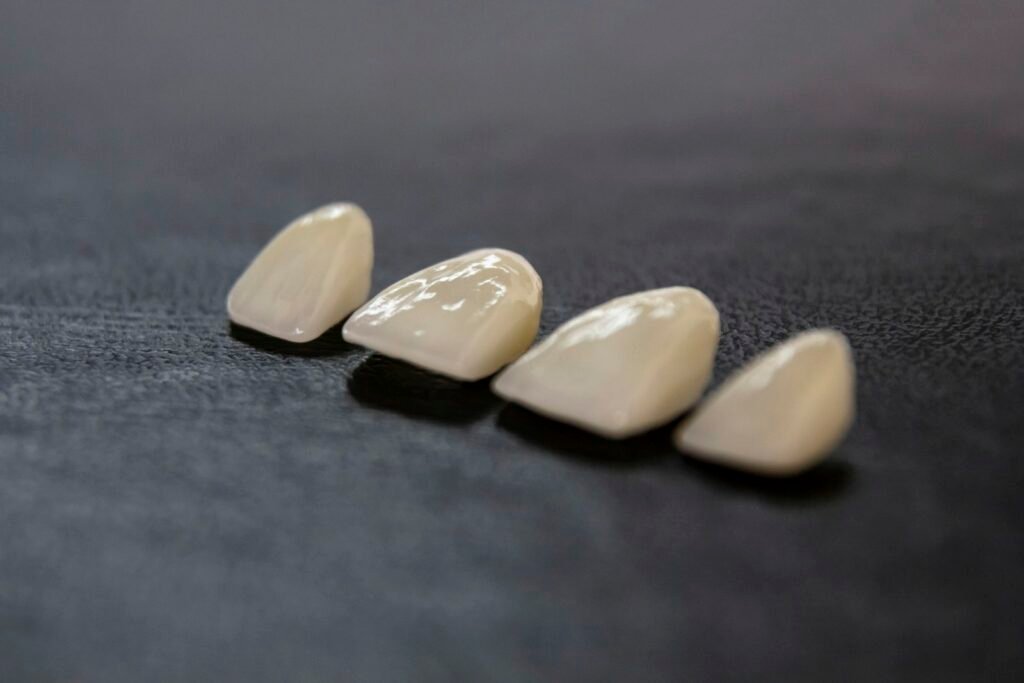
After the analysis, it becomes clear which treatments are needed. If colour is the main concern, for example, teeth whitening may be considered. For changes in shape and colour, porcelain veneers or, for smaller adjustments, composite bonding can be discussed. Several methods can also be used together.
4. Discussing Order and Timing
Which treatment comes first, when review appointments will be, and roughly how long the whole process may take are planned from the start. This varies from person to person; the number of procedures and healing times are deciding factors. Rather than promising a fixed schedule, it’s better to set a realistic framework.

Which Treatments Suit Which Situations?
Smile design isn’t the name of one treatment; different methods can be combined depending on your needs. Below are common situations and the approaches usually considered.
- Colour differences: Teeth whitening or veneers may come up.
- Small chips and gaps: Composite bonding can make subtle adjustments to natural tooth tissue.
- Shape and proportion issues: Porcelain veneers may be planned.
- Irregularities in the gum line: Assessed together with gum treatment.
- Alignment and bite problems: In some cases orthodontic treatment may be needed.
- Missing teeth: Options such as implants are considered separately.
Which of these options is right becomes clear after an examination and, where necessary, imaging. The same complaint can call for two different solutions in two different people.
Why Does Protecting Health Matter During the Process?
Aesthetic work lasts longer when oral health is in good shape. If there’s gum inflammation or untreated decay, it’s usually recommended to deal with these first. Otherwise, newly completed work may be affected too.
Regular check-ups and daily oral care play an important role in protecting the result after smile design. The care routine your dentist recommends may vary depending on the materials used and the treatments carried out. A personalised care plan is therefore often more helpful.
Realistic Expectations and a Natural Look
Good smile design doesn’t aim for a result that “looks like everyone else’s smile.” The goal is a smile that suits your face and looks natural. That’s why exaggerated, overly white or disproportionate results often miss the mark.
Talking through expectations from the start is one of the most valuable steps in the process. Your dentist should explain clearly which changes are possible and which may be limited. Open communication reduces the chance of disappointment later on.
Frequently Asked Questions
Is smile design painful?
It depends on the treatments involved. Many procedures are carried out under local anaesthetic, and mild sensitivity can occur afterwards. This usually eases within a few days, though it varies from person to person. It’s worth discussing the details with your dentist beforehand.
Is smile design permanent?
Longevity depends on the treatment and on how well you care for your mouth. Whitening, for example, can fade over time, while veneers can be maintained for many years with regular care. Routine check-ups help problems be spotted early.
How many appointments does it take?
The number of appointments depends on how many treatments are planned and on your oral health. A single procedure may be completed in one visit, while plans combining several treatments can take longer. Rather than giving a fixed number, it’s better to set a personal schedule after the examination.
Should gum treatment come first?
If there are conditions such as gum inflammation, it’s usually recommended to address these first. Healthy gums help aesthetic treatments give more predictable results. Whether this is necessary is determined by the examination.
Start with an Examination
When planned properly, smile design can give satisfying results both aesthetically and functionally. But every smile is different; the right roadmap for you can only be drawn up after a detailed examination. At our practice in Avcılar, you’re welcome to book an appointment to talk through your expectations and consider the options that suit you.
This article is for general information only and is not a diagnosis or personal treatment advice. If you have symptoms, we recommend booking an examination.
Images: Photo by Harold Hisona on Unsplash