


Orthodontic Treatment
- Dt. Eliz Engin
- Service
- Orthodontic Treatment
On this page you will find answers to the questions we are asked most often about orthodontic treatment. If you cannot find the answer you are looking for, please get in touch.
Get in Touch
Crowded teeth are not only a matter of appearance.
The spaces between overlapping teeth cannot be cleaned with a brush; decay and gum disease are far more common in these areas. A bad bite distributes chewing load unevenly, which over time can lead to wear on the teeth and problems in the jaw joint.
Orthodontics moves teeth into the right position by applying controlled, continuous force. No tooth is reduced and nothing is covered — the tooth itself moves. In that sense it is the aesthetic treatment with the least tissue loss, and in return it asks for time.
How do teeth move?
Light, continuous force applied to a tooth starts a controlled remodelling in the bone around its root: bone dissolves in the direction the tooth is moving, while new bone forms behind it. This biological process takes time and cannot be rushed. That is why treatment runs over months; applying excessive force does not shorten it and instead harms the health of the root and bone.
How does orthodontic treatment work?
Treatment time can vary with your dental and oral health. The steps below show the general flow.
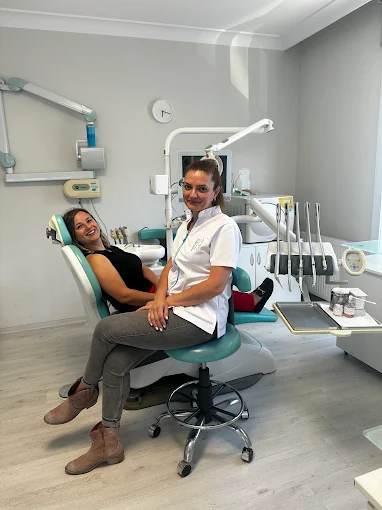
Examination and Records
Planning
Treatment and Check-Ups
Retention
Frequently Asked Questions
How long does treatment take?
Which is better, clear aligners or braces?
Will it hurt?
Can adults have orthodontic treatment?
Will my teeth go back to how they were once treatment ends?
Wouldn't veneers correct crowding faster?
Reviews
Is something troubling your dental health? Don’t put it off — book your appointment today.
Address:
Phone:
Opening Hours:
Saturday: 09:30 - 18:00
Sunday: Closed