


Bad breath is something most people experience now and then but rarely want to talk about. That familiar taste when you wake up, an unpleasant feeling you notice during the day, or a hesitant comment from someone close to you. In fact, it is very common, and in most cases the cause behind it can be identified and addressed.
Known medically as halitosis, bad breath usually comes from bacteria in the mouth breaking down food particles. But not every case has the same source. Sometimes a simple adjustment to your oral care routine is enough, while in other cases gum inflammation, a cavity or another health condition needs to be looked at.
In this article we explain the common causes of bad breath, the practical steps you can take in daily life, and when it is worth seeing a dentist, in plain language.
What Causes Bad Breath? The Most Common Sources
Most bad breath originates inside the mouth. The upper surface of the tongue, the spaces between the teeth and the gum pockets are the places where bacteria collect most easily. The bacterial plaque that builds up there breaks down proteins and releases sulphur compounds, and these compounds produce the characteristic smell.
Common everyday causes include:
- Insufficient oral care: Not brushing regularly, skipping floss and not cleaning the tongue.
- Gum disease: Gum inflammation and tartar build-up can set the stage for odour.
- Cavities and old fillings: Food trapped between teeth can cause odour without being noticed.
- Dry mouth: When saliva flow decreases, bacteria multiply more easily.
- Dietary habits: Foods such as garlic and onion, and frequent coffee consumption.
- Smoking: It both increases dry mouth and contributes to odour.
Causes Outside the Mouth Can Play a Role Too
Not every case of bad breath comes directly from the teeth. In some situations the odour can reflect the respiratory tract, the digestive system or another health condition. Sinusitis, tonsil stones, reflux or certain systemic conditions, for example, may accompany bad breath. Some medications can also reduce saliva flow, causing dry mouth and related odour.
For this reason, if the odour is persistent and recurring, it is important to look into the cause rather than simply covering it up with mouthwash. During a dental examination the causes inside the mouth are assessed, and a referral to another speciality can be made if needed.
Practical Solutions You Can Apply in Daily Life
A significant share of bad breath can be noticeably reduced with the right habits practised consistently at home. The steps below are a good starting point for most people:
- Brush twice a day for two minutes. A soft-bristled brush and fluoride toothpaste are enough.
- Use floss or interdental brushes. The spaces between teeth are areas a brush cannot reach.
- Clean your tongue. A tongue scraper or the back of your brush can be used gently.
- Watch out for dry mouth. Drinking water and chewing plain sugar-free gum to support saliva flow can help.
- Limit sugary snacks. Sugary foods taken often during the day, especially with tea and coffee, feed bacteria.
- Stay away from smoking and tobacco products.
Over-the-counter mouthwashes can provide short-term relief, but they are not a solution on their own if there is an underlying gum problem or cavity. However regular your oral care, tartar build-up requires professional cleaning. Where odour comes from the gums, gum treatment may need to be planned.
What Is Assessed During a Dental Examination?
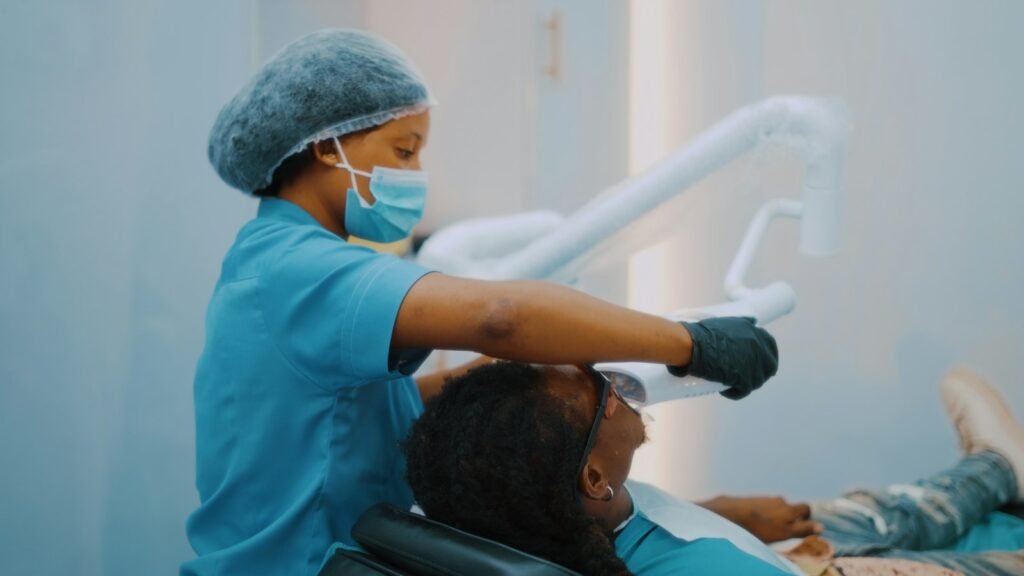
The examination begins with a full review of the mouth. Cavities, old fillings with open margins, gum inflammation, tartar build-up and the surface of the tongue are all checked. Where necessary, X-rays are used to look at the spaces between teeth and the root area.
Based on the findings, a plan is made to address the cause. For a decayed tooth, for example, a dental filling may be suggested, and for gum inflammation, a detailed cleaning along with care advice. The aim is not just to mask the odour but to remove its source.
The Difference Between Home Care and a Check-Up
Home care is the cornerstone of preventing odour. But tartar, deep gum pockets or cavities you cannot see will not improve with brushing at home. Regular check-ups therefore allow problems to be addressed before they grow.

Bad Breath in Children and Teenagers
In children, bad breath is often linked to brushing habits that are not yet established, mouth breathing at night, or upper airway conditions such as enlarged adenoids. A dental examination checks for cavities and the condition of the gums, and where needed a gentle care routine is built with a paediatric dentistry approach. Here, a paediatric dentistry approach helps children pick up the right habits early.
Common Mistakes in Dealing With Bad Breath
- Trying to cover the odour with gum or mouthwash alone.
- Brushing too hard and damaging the gums.
- Skipping floss altogether.
- Neglecting tongue cleaning.
- Not having a regular check-up, even once a year.
Most of these mistakes can be corrected with small adjustments. What matters is identifying the source of the problem correctly.
Frequently Asked Questions
Does bad breath only come from the teeth?
No. Although most bad breath comes from causes inside the mouth, sinusitis, reflux or certain systemic conditions can also accompany it. With persistent odour, an examination is important to investigate the cause.
Does mouthwash get rid of bad breath permanently?
Mouthwashes usually provide short-term relief and mask the odour. If there is a cause such as tartar, a cavity or gum inflammation, the real solution is to treat that cause.
How often should I see a dentist?
A check-up once or twice a year is generally recommended. If you have gum disease, frequent cavities or a similar condition, your dentist can set a check-up interval tailored to you.
Which specialist should I see for bad breath?
Seeing a dentist is a suitable first step. The examination assesses causes inside the mouth, and a referral to another speciality can be made if needed.
In Short: The Right Step Is the Right Assessment
Bad breath may feel embarrassing, but the good news is that its causes can largely be understood and addressed. Regular oral care, a balanced diet and yearly check-ups bring lasting relief for most people. If the odour persists, or if it comes with signs such as bleeding gums or sensitivity, starting with a dental examination is the best path.
At our practice in Avcılar, we can assess the cause of your bad breath together and build a care plan that suits you. You can book an appointment to get started. Remember, a small step taken with the right information can make a noticeable difference to your everyday comfort.
This article is for general information only and is not a diagnosis or personal treatment advice. If you have symptoms, we recommend booking an examination.