


Wisdom teeth are the molars at the very back of the mouth, and they usually come through between the ages of 17 and 25. Wisdom tooth removal comes up when these teeth have no room to erupt, stay partly impacted, or cause problems in the surrounding tissues. There is an important detail here, though: not every wisdom tooth needs to be taken out.
In many people these teeth stay in the mouth for years without causing any complaints. Sometimes they never erupt at all and sit quietly inside the jawbone. So the answer to “should it come out or stay?” varies from person to person and can only be settled with an examination.
In this article we explain in plain language when wisdom tooth removal may be considered, what the signs can be, and how the process usually unfolds.
What is a wisdom tooth, and why does it cause problems?
Wisdom teeth are the third large molars. Most people have four; some develop fewer, or none at all. When the jaw does not offer enough space, the teeth can stay impacted or erupt sideways or at an angle.
In that case the gum covering part of the tooth is hard to clean. Food debris and bacteria collect there, which can lead to gum inflammation, decay and sometimes pain. Occasionally the tooth presses on a neighbouring tooth and affects its health.
When might removal be needed?
The decision is not made on a single symptom. The position of the tooth, the jaw structure, gum health and your own complaints are assessed together. Removal is discussed more often in the following situations:
- Recurring inflammation: When gum tissue partly covers the tooth, the area can become inflamed again and again.
- Lack of space: If there is not enough room for the tooth to erupt, or if it presses on neighbouring teeth.
- Damage to a neighbouring tooth: An impacted tooth can make the back surface of the adjacent molar prone to decay that is hard to clean.
- Suspected cyst or lesion: If an X-ray shows a change in the tissue around the tooth, further assessment may be needed.
- Orthodontic treatment plan: Before braces or clear aligner treatment, some teeth may be removed to create space. This decision is considered separately within the orthodontic treatment plan.
When might waiting be the better option?
If the tooth is fully impacted, does not harm the surrounding tissues and causes no complaints, immediate removal may not be recommended. These teeth can be monitored with check-ups at regular intervals.
Also, if you have a health condition that makes surgery unsuitable, this should first be discussed with the relevant doctor. Planning is different for people taking blood thinners, those with certain uncontrolled systemic conditions, and during special periods such as pregnancy. That is why it is important to share your personal situation at the examination.
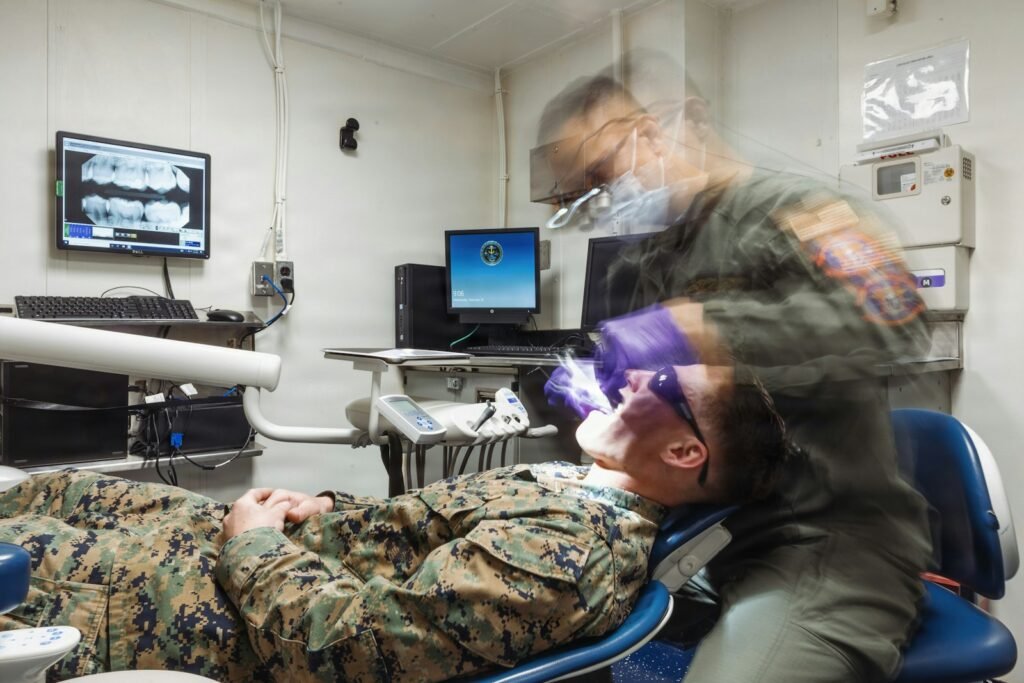
Signs that may suggest wisdom tooth removal is needed
Symptoms can be mild or quite uncomfortable. If you notice any of the following, it is worth seeing a dentist:
- Pain or a feeling of pressure at the very back of the mouth, spreading towards the jaw corner
- Swelling, redness or tenderness in the gum
- Difficulty opening and closing the mouth, or discomfort in the jaw joint
- A bad taste in the area, bad breath or signs of inflammation
- Swelling spreading towards the cheek, fever or general fatigue
If you have noticeable swelling in the face or jaw, fever or difficulty swallowing, it is advisable to contact a health facility without delay rather than waiting. These findings can be a sign of inflammation that is progressing.
What happens during the examination?
The first step is usually an examination inside the mouth and X-ray imaging. A panoramic X-ray helps show the position of the teeth, the root structure and their relationship with the jawbone. More detailed imaging may be requested if needed.
Gum health, the condition of neighbouring teeth and your current complaints are assessed together. If there is inflammation in the gum, this may need to be brought under control first. For more information on gum health, you can look at our gum treatment page.
At the end of this assessment we discuss which option suits you best: removal, monitoring or a different approach. The decision is made together, in line with your needs and your general health.
How does recovery usually progress after removal?
The procedure is usually carried out under local anaesthetic, so the area is numbed and you do not feel pain during it. For impacted teeth the procedure can take longer than a few minutes. Mild swelling and tenderness afterwards are normal.
What to keep in mind in the first days
- Take any medication your dentist recommends as instructed.
- You can support the area with cold application during the first 24 hours.
- Avoiding hard, hot and very hot drinks on the first day may make healing easier.
- If you smoke, it is recommended to take a break during the healing period.
- Avoid straining your mouth excessively and do not poke at the area.
Recovery time varies from person to person; some people feel comfortable within a few days, while for others it can take longer. If you have unexpected pain, increasing swelling or bleeding, the best step is to get in touch with your dentist.

Could preserving the tooth be considered instead of removal?
In some cases, especially if decay has started in a neighbouring tooth or the tooth has partly erupted, treating the existing problems first may be the plan. Treating small cavities early can help prevent more extensive procedures later. Our article on dental fillings may be helpful here.
What to do about a missing tooth after removal should also be discussed separately. This planning matters especially in the back region, for balanced chewing. Where needed, options such as implant treatment can be considered; however, this decision requires a separate examination and planning.
Frequently asked questions
Is wisdom tooth removal necessary for everyone?
No. Not every wisdom tooth needs to be removed. If the tooth is positioned without problems and can be cleaned, monitoring may be enough. The decision is made individually, based on the tooth’s position and the problems it causes.
Will I feel pain during the removal?
Because the procedure is usually done under local anaesthetic, pain is not expected during it. Mild pain and tenderness may occur afterwards; following your dentist’s advice during this period helps you feel more comfortable.
How soon can I return to normal life after removal?
This varies depending on the person and the condition of the tooth. Many people can return to their daily routine within a few days. Resting in the first days and following the advice given helps support healing.
Should an impacted wisdom tooth be removed even if it causes no complaints?
Impacted teeth that cause no complaints and do not harm surrounding tissues can often be monitored. However, if an X-ray suggests a cyst or a risk to a neighbouring tooth, removal may be considered. This decision becomes clear after examination and imaging.
When should you have an examination?
If you notice recurring pain, swelling or difficulty cleaning at the back of your mouth, it is a good idea to plan an examination. An early assessment makes it easier both to understand the cause of your complaints and to avoid unnecessary procedures.
At our practice in Avcılar we can assess your wisdom teeth together with your general oral health. To talk through the options that suit you, you can book an appointment.
This article is for general information only and is not a diagnosis or personal treatment advice. If you have symptoms, we recommend booking an examination.
Images: Photo by Jonathan Borba on Unsplash