


Two habits sit at the heart of daily oral care: brushing your teeth regularly and cleaning between them. Yet many people who feel they brush well still make small but important mistakes. The angle of the brush, how long you brush and how much pressure you apply all directly affect gum health and the protection of your tooth surfaces.
In this article we explain, in plain language, the steps of how to brush your teeth properly, what to look for when choosing a brush and toothpaste, and why floss does not replace brushing. The aim is not to impose a perfect routine, but to help you build a habit that suits you and that you can keep up.
Remember: oral health varies from person to person. If you have gum recession, sensitivity or bleeding, the method that suits you is best confirmed after an examination.
The Key Steps of Good Tooth Brushing Technique
The aim when brushing is to gently remove the soft build-up called plaque from the tooth surface. Hard, fast movements can harm the gums more than they remove plaque, so technique matters more than force.
- Hold the brush at a 45-degree angle. Tilt the bristles slightly towards the gumline so that both the tooth surface and the gum margin are cleaned.
- Use small circles. Spend around 2–3 seconds on each group of teeth with gentle circular movements. Avoid a back-and-forth sawing motion.
- Don’t forget the inner surfaces. On the tongue side, hold the brush vertically and sweep from the gum towards the tooth.
- Brush the chewing surfaces. Short back-and-forth strokes are enough on the tops of the back teeth.
- Don’t skip the tongue and palate. Gently brushing the surface of the tongue can help reduce bad breath.
Around two minutes in total is usually recommended. If timing yourself feels difficult, dividing it into quarters (upper right, upper left, lower right, lower left) makes it easier.
How much pressure should I use?
The bristles should bend slightly against the tooth surface, but the gums should not be pushed back. If your gums bleed after brushing, this can often be a sign of too much pressure or of gum inflammation; in that case it is worth asking your dentist about a gum treatment assessment.
Which Brush and Toothpaste Suit You?
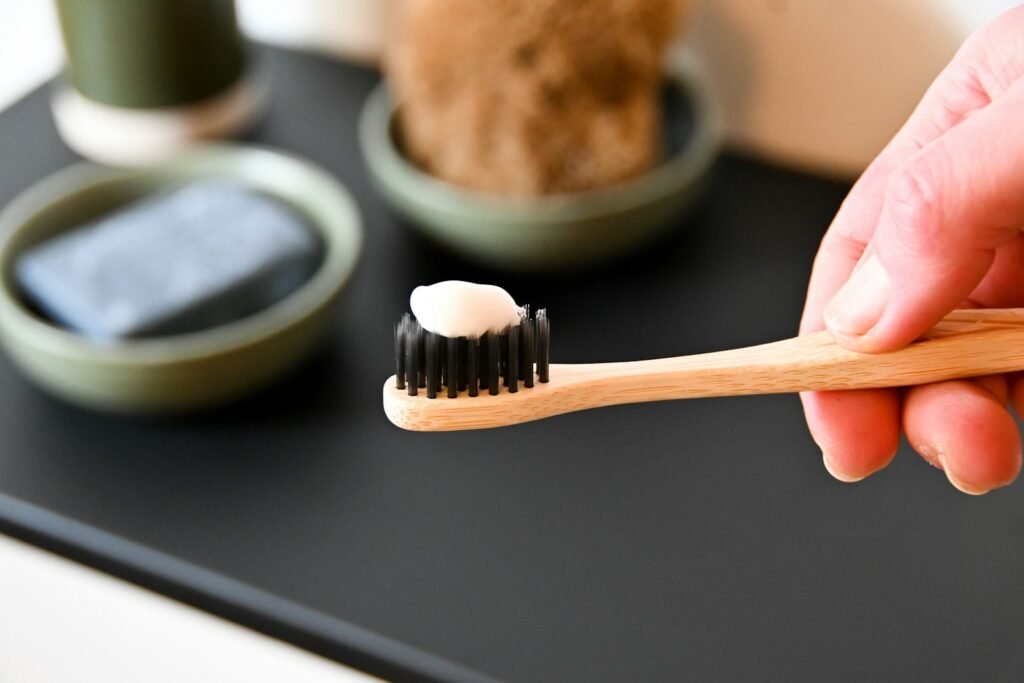
Choosing a brush is an inseparable part of technique. A manual brush with a small head and soft bristles can be a good starting point for most people. Electric brushes are also an effective option when used correctly; the key is to let the brush do the work rather than pressing it into the gums.
- Soft bristles: Generally considered more suitable for people with sensitive gums.
- Small head: Makes it easier to reach back teeth and narrow areas.
- Fluoride toothpaste: Plays an important role in protecting against tooth decay. The amount and fluoride level can vary with age and oral condition, so ask your dentist.
- Special toothpastes for sensitivity: If you have gum recession or sensitivity to cold, an examination is recommended first to identify the cause.
Brushing habits in children need a different approach; an age-appropriate brush and toothpaste, and brushing alongside a parent, are especially valuable at this stage. Check-ups within paediatric dentistry can help good habits settle in early.

Why Doesn’t Floss Replace Brushing?
A toothbrush cleans the broad surfaces, but it cannot fully reach the narrow spaces between two teeth. Build-up left in these areas can raise the risk of gum inflammation and decay between the teeth. This is exactly where floss or interdental brushes come in.
Using floss every day, ideally once a day and before your evening brush, is a common recommendation. The aim is to reduce the build-up that stays in the mouth overnight. If you are new to flossing, you may notice slight bleeding in the first few days; this usually settles within a few days. If the bleeding continues, it is worth having it assessed.
How to Floss: Step by Step
The most common mistake when flossing is pressing the floss hard into the gum. A gentle approach is both more comfortable and more effective.
- Take about 40–45 cm of floss. Wind most of it around the middle finger of one hand and the rest around the other.
- Hold the floss taut between your thumbs and index fingers. You will use the 2–3 cm section in between.
- Slide the floss gently between the teeth. Avoid sudden pressure; guide it against the tooth.
- When you reach the gumline, curve the floss into a “C” shape. Wrap it around the tooth surface and move it up and down.
- Use a clean section of floss for each gap. This way you don’t carry build-up from one area to another.
If you find flossing difficult, interdental brushes may be an option when the gaps are wider, and special tools can help around bridges or braces. Which one suits you is decided according to your oral structure.
Common Mistakes and Practical Tips
Keeping up the routine matters as much as the technique. These small adjustments can improve the quality of your daily care.
- Rinsing very hard straight after brushing: Leaving toothpaste on the tooth surface for a while is generally considered better for fluoride’s effect; spitting out is often enough.
- Using a brush for too long: Brushes with splayed bristles lose their cleaning effectiveness; changing every 3 months is usually recommended.
- Brushing only in the morning: Evening brushing is especially important for reducing build-up overnight.
- Skipping floss: However good your brushing is, cleaning between the teeth is a separate step.
- Brushing hard: Pressing harder does not mean cleaner teeth; on the contrary, it can lead to gum recession.
If you have aesthetic goals, treatments carried out without a healthy foundation are not expected to last long. For example, in planning such as smile design, gum health and daily care habits are assessed first. Similarly, with expectations about tooth colour, an oral examination is recommended before teeth whitening.
When Should You See a Dentist?
If certain symptoms persist despite regular brushing and flossing, they should not be ignored. It is worth planning an examination in the following situations:
- Bleeding that continues during brushing or flossing
- Swelling, redness or tenderness in the gums
- Gum recession, or teeth that look longer
- Bad breath that does not go away
- A feeling of food catching between the teeth, or visible colour change
These symptoms may often be down to a simple gap in your care, but they can also be a sign of a condition that needs treatment. The right step is a personalised assessment.
Frequently asked questions
How many times a day should I brush my teeth?
Brushing twice a day, morning and evening, for two minutes is usually recommended. Evening brushing is especially important for reducing build-up overnight. Your own needs may differ; your dentist can advise on the right frequency for you.
Can I use a toothpick instead of floss?
A toothpick is generally not enough to effectively clean the soft build-up between teeth and can damage the gums if used roughly. Floss or interdental brushes are more suitable options. Which tool suits you depends on the shape of the spaces between your teeth.
Is it normal for my gums to bleed when flossing?
Beginners may notice slight bleeding in the first few days, and it usually settles within a few days. If the bleeding continues or your gums are swollen, an examination is recommended to assess the cause.
Is an electric brush better than a manual one?
Both can be effective when used with the right technique. The choice depends on dexterity, sensitivity and personal comfort. What matters is using the brush with gentle movements and without pressing it into the gums.
Let’s Review Your Oral Care Together
Brushing your teeth properly and using floss form the foundation of your oral health, but everyone’s mouth is different. You can book an examination so we can decide together on the brush, toothpaste and interdental cleaning method that suit you. At our clinic in Avcılar we can assess your oral and gum health and share practical advice for your daily routine. To book an appointment, you can reach us through our contact page.
This article is for general information only and is not a diagnosis or personal treatment advice. If you have symptoms, we recommend booking an examination.