


Noticing a pink streak on your toothbrush or in the sink when you brush in the morning unsettles most people. Yet bleeding gums are very common and are usually the first and most important warning sign of a problem inside the mouth. Because it often comes without pain, it gets ignored — but when the cause is not addressed, the problem rarely stays limited to the gums.
In this article we look at the most common reasons gums bleed, which situations deserve closer attention and what you can realistically do day to day. The aim is not to alarm you, but to make it easier to take the right decisions about your oral health.
What Is Gum Bleeding and Why Is It So Common?
Your gums are the soft tissue that surrounds the teeth and protects the bone underneath. Healthy gums are pale pink, firm to the touch and do not bleed when you brush. The film of bacteria that builds up on the gum surface — plaque — starts to irritate the gums within a few days. As a result they swell slightly, turn red and become more likely to bleed when touched. This is gum inflammation, or gingivitis.
In its early stages gingivitis is reversible. With the right brushing technique and regular professional cleaning, gums can usually return to a healthy state. If the inflammation continues for a long time, however, it can spread to the tissues and bone beneath the gum line. That is why it is worth understanding the cause rather than brushing bleeding off as “nothing much”.
The Most Common Causes
More than one factor is usually involved in bleeding gums. The most frequently seen causes are:
- Plaque build-up: When you don’t brush regularly and thoroughly, the bacterial film on your teeth keeps irritating the gums.
- Tartar (calculus): Plaque that hardens over time can no longer be removed with a brush and becomes a permanent source of irritation along the gum line.
- Brushing too hard or with the wrong technique: A hard-bristled brush, or scrubbing back and forth against the gums, can damage the tissue and cause bleeding.
- Not cleaning between the teeth: Without floss or interdental brushes, plaque left between teeth inflames areas your brush never reaches.
- Gum recession and sensitive gums: Receded areas are more easily irritated.
- Teeth grinding and clenching: Sustained force overnight can put pressure on the gums and surrounding tissues.
- Smoking: Smoking reduces blood flow to the gums, which can allow inflammation to progress more quietly and quickly.
Hormonal changes (pregnancy, puberty, menopause), some systemic conditions and certain medications can also make gums more prone to bleeding. In these cases, the underlying factor needs to be looked at alongside your oral care routine.
Is Bleeding a Disease in Itself?
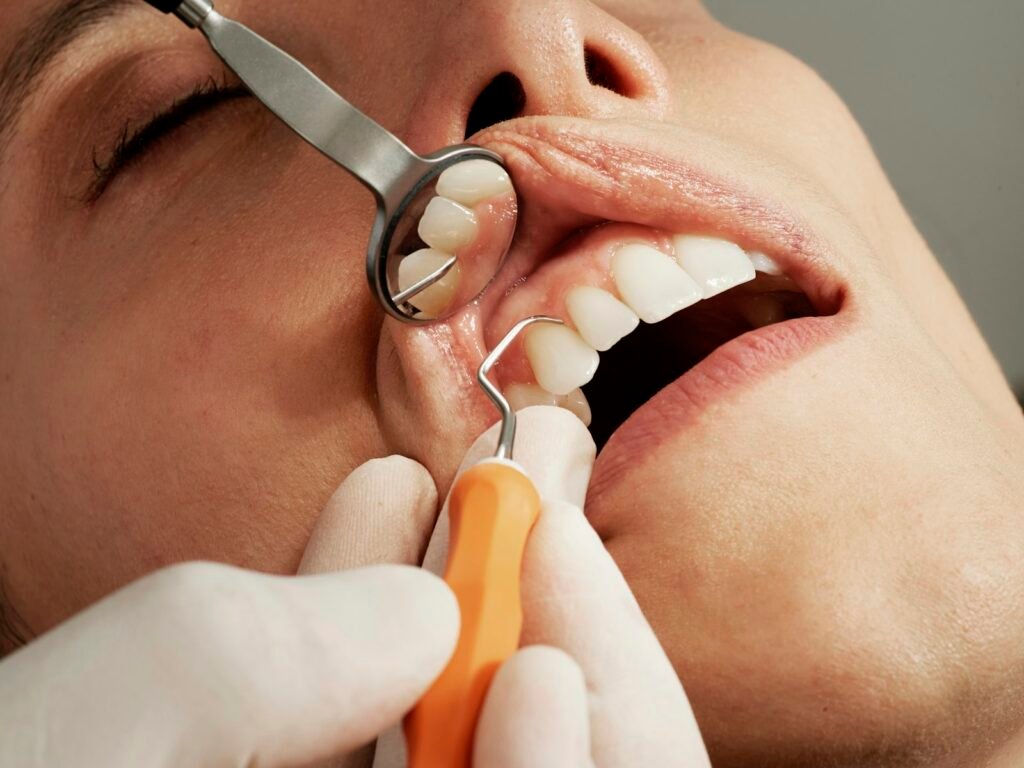
No. Bleeding gums are not a disease but usually a symptom. That distinction matters, because treatment is planned to remove the source of the bleeding, not simply to suppress it. For instance, inflammation caused only by plaque may settle with a professional clean and good home care, while tartar and gum pockets may call for more thorough gum treatment.
The pattern of bleeding also gives clues. Occasional light bleeding while brushing is not the same as bleeding that starts on its own or won’t stop. The second kind should be assessed sooner.
When Should You See a Dentist?
It is a good idea to have a dentist take a look if any of the following applies:
- Bleeding has continued for more than a few days,
- Your gums are clearly red, swollen and tender to touch,
- Bad breath is present as well,
- Your gums have receded and your teeth look longer,
- You notice teeth becoming loose or shifting,
- Bleeding happens on its own, not only when brushing,
- Bleeding doesn’t stop for a long time, or comes with a general feeling of fatigue.
The last points matter, because conditions that affect blood clotting, or blood disorders, can also show up as bleeding gums. If that is a possibility, your dentist can refer you to the right specialist.
What Can You Do at Home?
Home care plays a big part in bleeding gums, but it cannot remove tartar. Hardened deposits need professional cleaning. Even so, your daily habits clearly influence how things go:
The right brush and the right technique
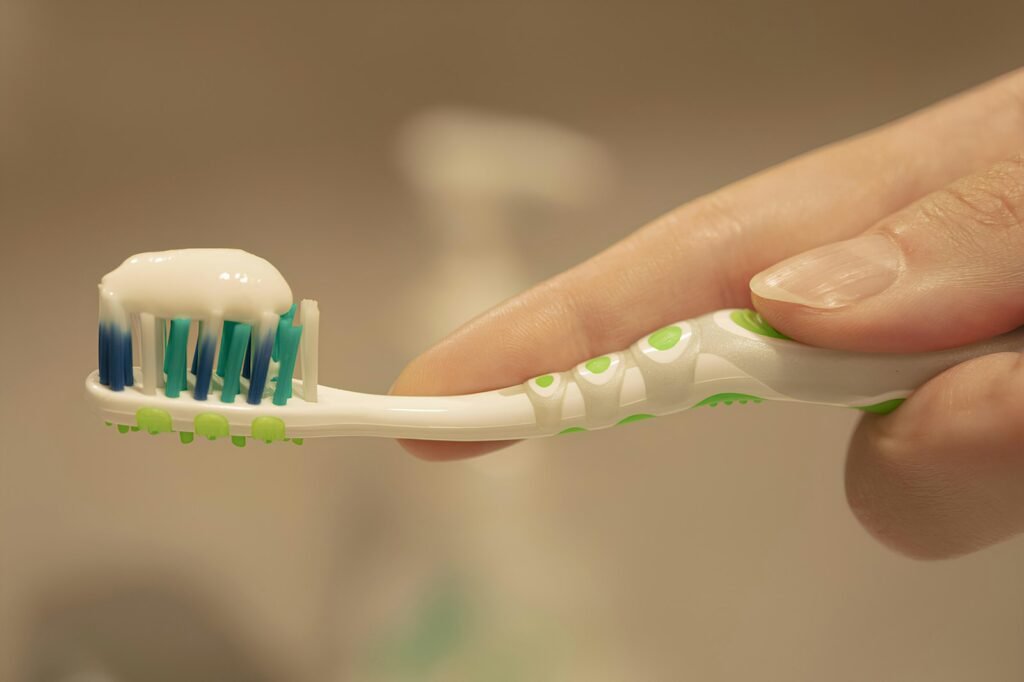
A soft or medium toothbrush is usually enough. Holding the brush at a 45-degree angle to the gum line and using small, gentle circular movements for two minutes is one of the most effective ways to control plaque. Pressing hard doesn’t clean better — it can damage your gums.
Floss and interdental brushes
A toothbrush reaches roughly two-thirds of the tooth surface. The spaces between teeth need floss or an interdental brush in the right size. Gums may bleed a little at first, which usually just means the area is newly being cleaned; with regular use the bleeding generally settles.
Other daily habits
- Keep sugary snacks to mealtimes,
- Drink plenty of water,
- Cut down or quit smoking,
- Don’t use alcohol-based, burning mouthwashes continuously,
- If you suspect you grind your teeth, mention it to your dentist.
Gum Health Is About the Whole Mouth
Bleeding gums sometimes come up as part of planning another treatment. For example, before a porcelain veneer or smile design in areas with gum recession, the gum tissue is usually brought back to health first. Aesthetic work built on unhealthy gums is harder to maintain long term. In the same way, gum care matters even more during orthodontic treatment, since brackets and wires make it easier for plaque to collect.
So bleeding gums are not a small issue to be dealt with in isolation; they are worth reading as a general indicator of your oral health.
Frequently Asked Questions
Do bleeding gums go away on their own?
If the cause is only plaque and inadequate care, bleeding will usually ease within a few weeks once you brush correctly and use floss. If tartar or gum inflammation is present, it isn’t expected to resolve by itself; professional cleaning is needed.
Should I keep brushing bleeding gums?
Yes. Bleeding usually doesn’t mean you should stop brushing — keeping the area clean is part of the healing process. Take care not to press too hard, and speak to your dentist if the bleeding continues.
What conditions can bleeding gums be a sign of?
In most cases the cause comes from the mouth itself. That said, hormonal changes, systemic conditions such as diabetes, conditions affecting blood clotting and some medications can also make gums more likely to bleed. A firm answer may need an examination and, if necessary, blood tests.
Does a scale and polish stop bleeding gums?
Removing the hardened deposits that irritate the gums usually plays a decisive role in reducing bleeding. For the effect to last, good home care needs to continue afterwards.
The Bottom Line: A Small Sign, Useful Information
Bleeding gums are often an early message from your body. Paying attention to it is worthwhile for the long-term health of both your gums and your teeth. The cause can only be identified clearly through an examination, and the right treatment plan varies from person to person.
At our practice in Avcılar we can assess your gum health and talk through the options that suit you. After the examination we explain your situation in detail, answer your questions and plan the treatment steps together. To book an appointment, you can reach us through our contact page.
This article is for general information only and is not a diagnosis or personal treatment advice. If you have symptoms, we recommend booking an examination.
Images: Photo by Ashley Piszek on Unsplash