

The importance of baby teeth is something most parents start thinking about when the first tooth appears. Many assume these teeth don’t really matter because “they’ll fall out anyway.” In fact, baby teeth lay the foundation for a child’s oral health both now and in the future. These small teeth play a part in everything from chewing and speech to guiding adult teeth into the right position and supporting general growth.
In this article we explain why baby teeth are so valuable, when to be watchful, and the simple care steps you can take at home. Our aim is to help you follow your child’s dental health with knowledge rather than worry.
What Do Baby Teeth Actually Do?
Baby teeth (also called milk teeth or primary teeth) are the first set of teeth in the mouth. They usually start to appear from around six months, and by the time a child is about two and a half to three years old, all 20 are typically in place. These teeth are actively used in daily life for years.
Chewing and nutrition
Baby teeth let a child chew solid foods comfortably. A child who eats with healthy teeth tends to adapt more easily to different tastes and textures. Painful or decayed teeth can make chewing difficult, and children may then lean towards soft, sweeter foods.
Speech development
Most speech sounds are formed by the tongue moving in coordination with the teeth and palate. The front teeth in particular help produce sounds like “s”, “z” and “t”. Early loss of baby teeth can affect the pronunciation of some sounds for a while.
Holding space for adult teeth
Perhaps one of the most important roles is this: baby teeth create space and guide the adult teeth developing beneath them. A baby tooth lost too early can let neighbouring teeth drift and cause the adult tooth to become trapped in a narrow space. For this reason, a decayed baby tooth is often assessed for protective options such as a dental filling before extraction is considered. The right decision is made by the dentist after an examination.
Why Baby Tooth Decay Should Be Taken Seriously
Baby teeth have thinner enamel, and decay can progress faster than in adult teeth. A small spot can quickly become a deep cavity. Regular check-ups therefore help problems be spotted before they grow.
- Pain and sleep problems: Advanced decay can cause night-time pain and restlessness.
- Risk of infection: Untreated decay can lead to inflammation in the gums and surrounding tissues.
- Eating habits: Pain may lead a child to avoid certain foods.
- Impact on adult teeth: The development of the adult tooth underneath can be affected.
If your child has persistent toothache, facial swelling, fever or something that looks like inflammation on the gum, it is advisable to see a dentist without delay.
Caring for Teeth From the Very First Tooth
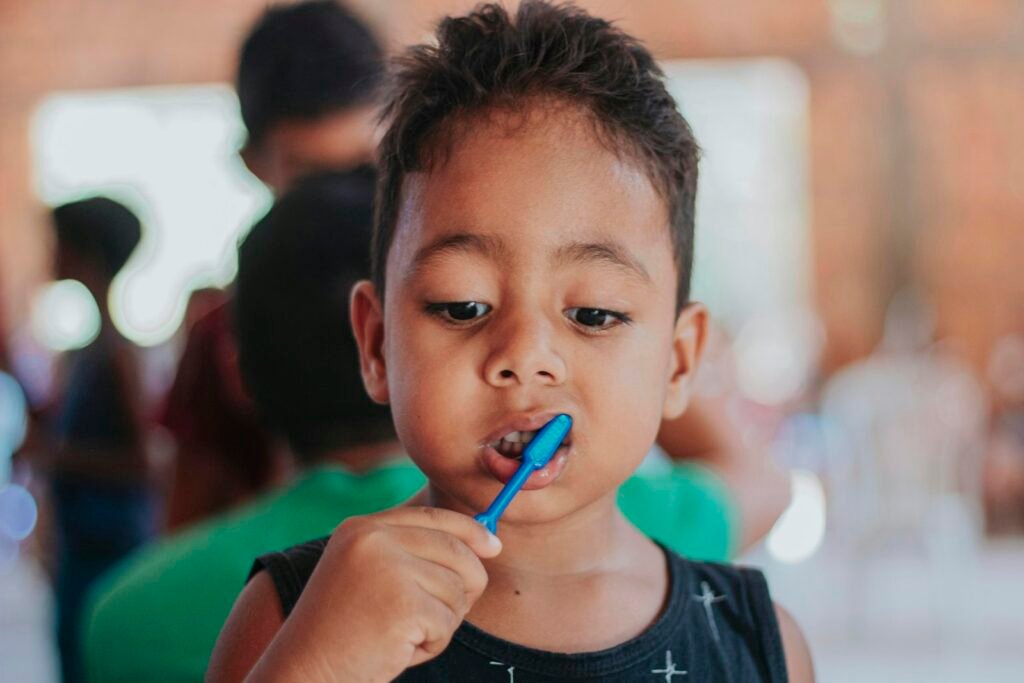
Oral care can begin even before the first tooth appears. Wiping the gums with a clean gauze square or a soft baby brush after feeding helps keep the mouth clean and gets your child used to oral care. Once the first tooth comes through, a small-headed brush with soft bristles can be used.
Building a brushing habit
Children learn by copying. Brushing together with parents and turning the morning and evening routine into a game usually works well. Tracking brushing time with a song or an hourglass can make it more fun for your child. For the amount and type of toothpaste, it is best to get advice suited to your child’s age from your dentist.
Sugar and snacks
How often sugar is eaten matters as much as how much. Frequent snacking through the day doesn’t give the teeth a chance to recover with saliva. Balanced meals at main mealtimes, encouraging water between meals and limiting sugary drinks are simple but effective steps.
When Should You See a Dentist?
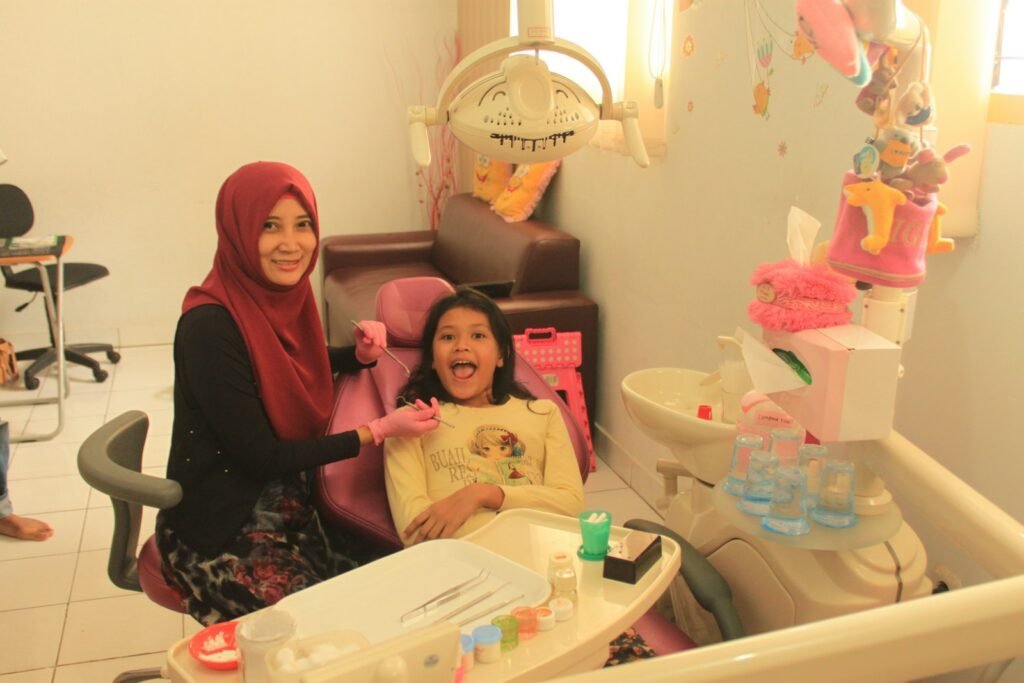
A first dental visit is usually recommended within the first year after the first tooth appears, so around the age of one. This visit is valuable both for getting to know the dentist and for guiding parents. Later check-ups are planned at the frequency your dentist considers appropriate.
You should book an appointment without waiting if you notice:
- Brown or white spots or pits visible on a tooth
- Pain or sensitivity when chewing
- Swelling, redness or bleeding of the gums
- A broken tooth, or trauma after a bump or fall
- Long-lasting habits such as thumb sucking or tooth grinding
A child’s first experience with a dentist can shape their attitude later on. Working with a team experienced in children’s dentistry can therefore make the process calmer and more positive. At our practice, preventive care and regular check-ups are provided as part of children’s dentistry.
What Happens If a Tooth Is Lost Early or Decays?
When a baby tooth is lost early or badly damaged by decay, the dentist will consider several options. In some cases a filling is enough, while in others a space maintainer may be needed. These decisions are made according to the child’s age, the position of the tooth and the state of the adult tooth underneath.
If decay is very advanced and the tooth cannot be saved, extraction may be considered, but this is always a last resort. Regular check-ups mean these decisions can often be avoided. If your child’s teeth look uneven in the years ahead, your dentist may suggest an assessment for orthodontic treatment where needed.
Practical Tips You Can Use at Home
- Set up a brushing routine twice a day, morning and evening.
- Brush together with your child; parental support matters at a young age.
- Keep sugary snacks to mealtimes and encourage water in between.
- Don’t put your baby to bed with a bottle; clean the mouth after night feeds.
- Keep up with dental check-ups so small problems are sorted before they grow.
Frequently asked questions
Should decayed baby teeth be treated?
Yes, in most cases treatment is recommended. Untreated decay can progress and lead to pain and infection. The appropriate approach is decided by the dentist after an examination.
What should I do if a baby tooth falls out early?
Early loss can affect how adult teeth come through. Your dentist can assess the situation and suggest a protective solution such as a space maintainer. It is therefore advisable to have a check-up soon after the loss.
When should I start brushing my baby’s teeth?
You can start with a soft baby brush as soon as the first tooth appears. Before that, wiping the gums with a clean cloth is helpful. For the amount and type of toothpaste, you can get advice suited to your child’s age from your dentist.
My child doesn’t want to brush their teeth. What can I do?
Making the routine a game, brushing together and using small rewards usually helps. A consistent, non-forceful approach is often more effective. If needed, you can ask your dentist for support.
In Summary: Small Teeth, Big Impact
The answer to why baby teeth matter is actually quite clear: these teeth directly affect a child’s eating, speech and the healthy development of their adult teeth. Oral care habits learned early are an investment that lasts a lifetime.
If you would like to plan your child’s first dental check-up or get advice on an existing concern, we would be glad to welcome you and your child at our practice. You can book an appointment for an examination.
This article is for general information only and is not a diagnosis or personal treatment advice. If you have symptoms, we recommend booking an examination.
Images: Photo by Christian Agbede on Unsplash